Video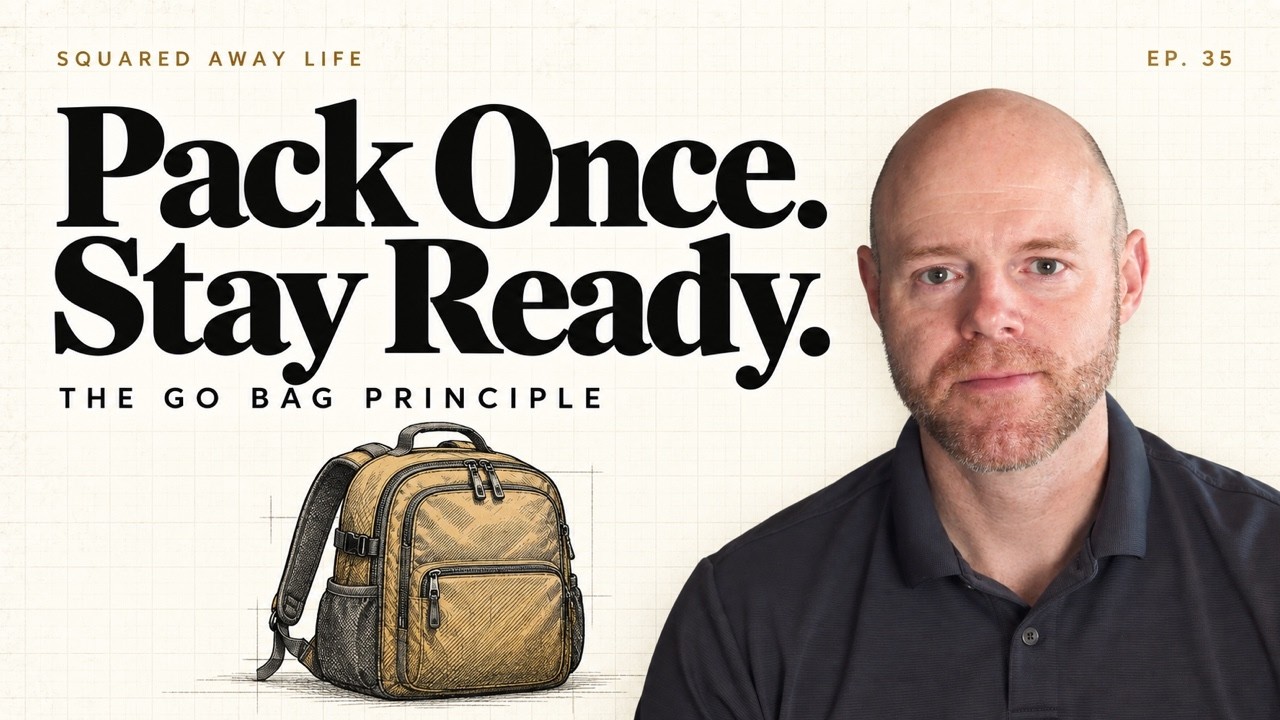
Life Optimization
The Go Bag Principle
Labeled crates in the garage and a backpack that never gets unpacked. How to replace remembering with a system, so being ready costs nothing in a hurry.
The library
Every piece of writing and every episode, newest first, across the six domains. Anything with a video carries a badge, and most pieces leave something behind: a template, a checklist, a format you can use on Monday.
Prefer to listen? Subscribe in a podcast app.
Labeled crates in the garage and a backpack that never gets unpacked. How to replace remembering with a system, so being ready costs nothing in a hurry.

My brother ran a security company alongside a defense career until it replaced his salary. Six conditions he set before leaving, and what they ask of you.

If the work holds together because you personally catch everything, it caps at your capacity and leaves when you do. What to build instead, and a weekly review to start.

A journal that only records gives your review one point, and one point cannot show drift. What a daily review needs to compare, and one sentence to write tonight.

Angela Duckworth’s new book argues that grit is often not enough. The situation carries more than we credit, and four parts of it are easier to change than they look.
Letting AI summarize a hard book leaves the folder full and your head empty. Here is how I use it as a tutor instead, with a free Mastery Kit prompt to start.

The Obsidian and Zotero setup I use to link every note to its source, so a citation takes a keystroke instead of an hour of searching.
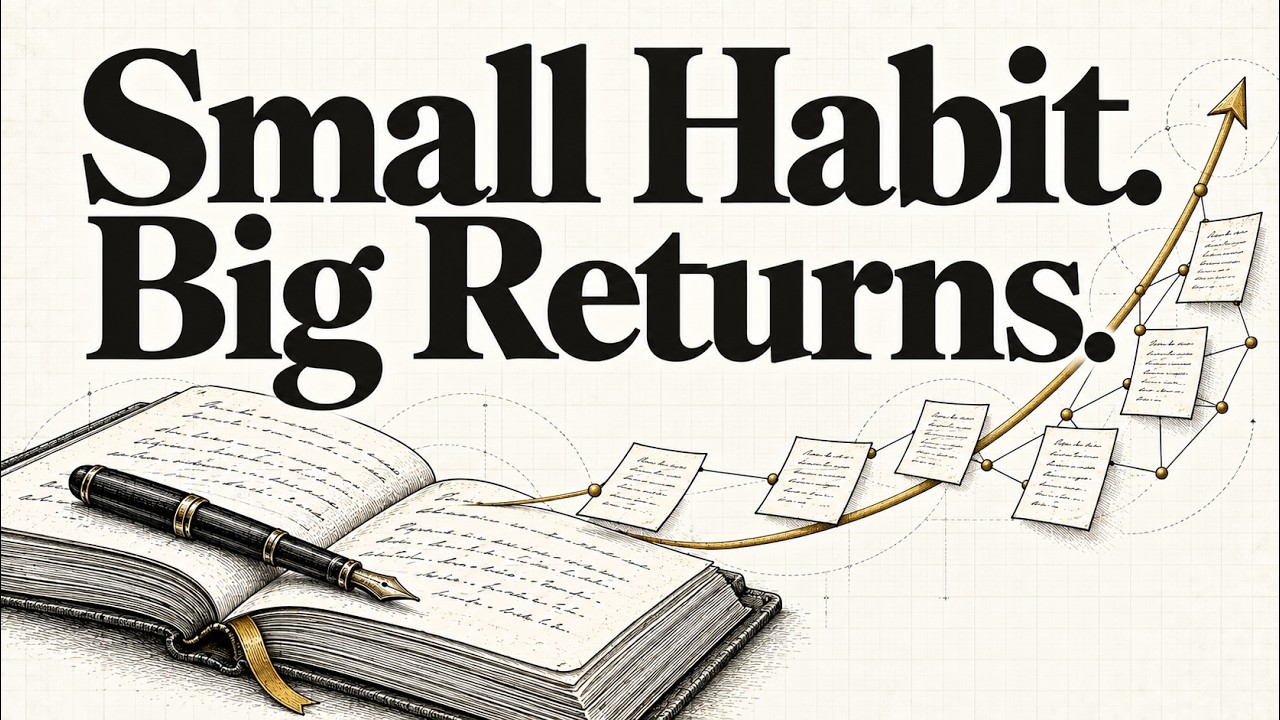
Why a few minutes with your notes each day looks like nothing for months, then starts paying you back in patterns you could not have seen up close.
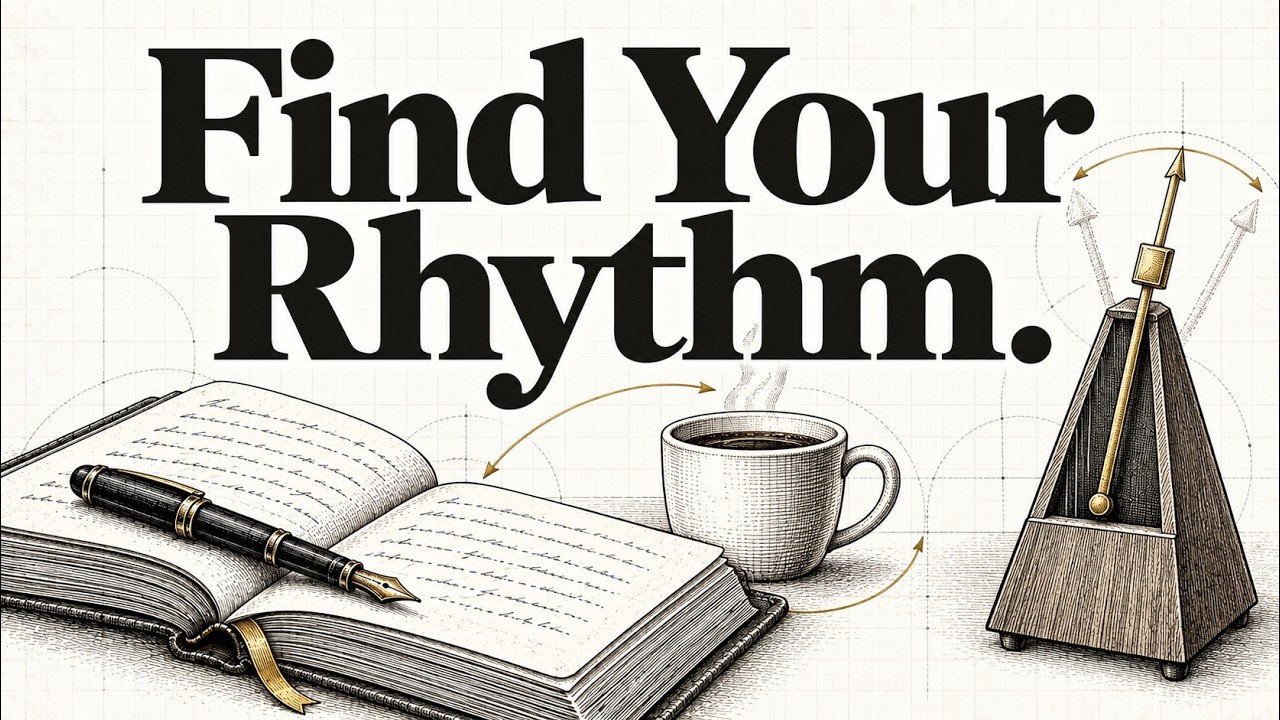
Anchor your review to something you already do each day and keep it small enough to survive a bad morning. That is how it becomes a rhythm instead of a chore.

The weeks you most need your notes are the weeks you stop taking them. Three common ways the practice breaks down, and a gentle way to restart after a gap.

A small automation that stamps where you were onto each Obsidian note, so a trip log becomes something you can retrace years later.

Journaling mattered before AI. But when I began using an AI assistant to help me review, synthesize, and plan from my journal, I realized I had been sitting on far more value than I knew.

Camden Bucey talks with Robert Rose about Valuable Friction, AI, creativity, and why discernment, judgment, and relationships matter in a world obsessed with speed.

Obsidian holds the notes, Claude helps develop the argument, and Word is where the draft gets finished. The workflow I use to get from research to finished prose.

How I use an AI agent to prompt my weekly reviews and pull me back to the goals I already chose, before a busy week drifts away from them.

What I learned deploying AI agents inside a real organization, and why the people who thrive now will be the ones who can direct and manage the work, not just do it.

My brother Kelly and I walk through Claude Co-Work, Claude Code, and OpenClaw, and what it looks like to hand recurring work to agents that run with little supervision.

Reading old notes is uncomfortable at first. How to meet your earlier self with curiosity instead of judgment, and take one usable insight from each review.

Fifteen minutes a morning across three look-backs: a week, a month, and a year ago. The questions to ask at each distance, and why together they make progress visible.
Notes that are kept and reviewed become an inheritance. How a personal archive gains value with use, and what it takes to make it worth leaving to others.
A cascade from lifetime goals down to today’s tasks, and a morning review that keeps those goals in front of you once the year stops feeling fresh.

Your old notes are proof you have been through hard stretches before. How a daily review turns “this is unprecedented” into “I have data on similar situations.”

Day to day, change is too small to notice. Why the interval you review at decides whether you see real progress or mistake routine for standing still.

The capture system that lasts is the simple one you will actually use. Why overbuilding is the usual failure, and how to start small enough to keep going.
Holding everything in your head costs you sleep and focus. What happens when you write it down, and why getting it out of your mind actually improves your memory.

The insight that feels too obvious to forget rarely survives the day. Why writing it down in the moment is the foundation of the whole practice.

Living only in the present means relearning the same lessons. How reading my notes from a week, a month, and a year ago changed how I steward time and attention.

Joe Pulizzi on leaving the standard career script, finding the Tilt only you can own, and staying consistent through the long stretch before results arrive.

Reaching for your phone first thing leaks the clearest hour of the day. Why I create before I consume, and the one-page habit that protects the morning.

Dan Martell’s Buyback Rate puts a number on your hour, so you can decide what to delegate, what to keep, and what deserves more of your best time.

Buying back your time is not a one-time fix. The audit, transfer, and fill cycle that keeps your calendar pointed at the work only you should be doing.

Most of us spend time to save money when we should spend money to save time. Why Dan Martell’s idea matters most for people whose success has used up their hours.

Short-term calibration, a mid-range reality check, and long-term perspective. The three look-backs I use every morning, and the questions I ask at each one.

I failed at journaling twice by trying to write polished entries. What to capture instead, what to skip, and a five-minute evening recap that makes it stick.

We live in an endless present, solving the same problems from scratch and forgetting lessons we already learned. The fifteen minutes of review that pay back the most.

A tour of my Obsidian setup: a home note for quick access and Dataview queries that bring back journal entries from a week, a month, and a year ago.

Folders force you to decide where something belongs before you understand it. Why I started moving to unique identifiers, and the problems that approach still has to solve.

Ideas are rarely the hard part of building wealth. A hunting book, an unexpected lesson about execution, and three practical steps for turning an idea into income.