Video
Personal Knowledge Management (PKM)
A Review Needs Two Points
A journal that only records gives your review one point, and one point cannot show drift. What a daily review needs to compare, and one sentence to write tonight.
A domain of stewardship
Thinking is work, and it is either tended or it goes to seed. A book underlined and forgotten by spring, a conversation half kept, hours of input nobody chose: all of it quietly shaping what you assume, how you judge a situation, and what you are able to say when someone asks you something that matters.
So this is not a filing problem. Your mind is being formed either way, and the question is whether anything you deliberately took in is still within reach when it is needed: to think clearly, to counsel someone well, to recognize what is false before it has already persuaded you. Stewardship here is active rather than idle. You choose what to take in, work it over until it is yours, and keep it where it can be found again, so that understanding accumulates into wisdom instead of evaporating.
What has been entrusted
A mind that is being renewed rather than merely filled, and the truth you have been given to hold: what you read, what you were taught, and what you worked out once and will need again.
What faithfulness looks like — Knowledge & ideas
A mind is not a neutral container. It is formed by whatever is poured into it, and the call is to be transformed by its renewal rather than conformed to the pattern around us (Romans 12:2). That makes what you let in, keep and return to a question of obedience before it is a question of productivity, and taking every thought captive (2 Corinthians 10:5) begins with noticing which thoughts you admitted without examining.
A review on a fixed rhythm is what keeps this aimed. Start with the daily review.
What outlasts you here
Notes, decisions and reasoning someone can actually pick up and use: a mind handed on in a form that outlives the person who held it.
The horizon, across all six →Read, watch, or listen
A journal that only records gives your review one point, and one point cannot show drift. What a daily review needs to compare, and one sentence to write tonight.
Letting AI summarize a hard book leaves the folder full and your head empty. Here is how I use it as a tutor instead, with a free Mastery Kit prompt to start.

The Obsidian and Zotero setup I use to link every note to its source, so a citation takes a keystroke instead of an hour of searching.
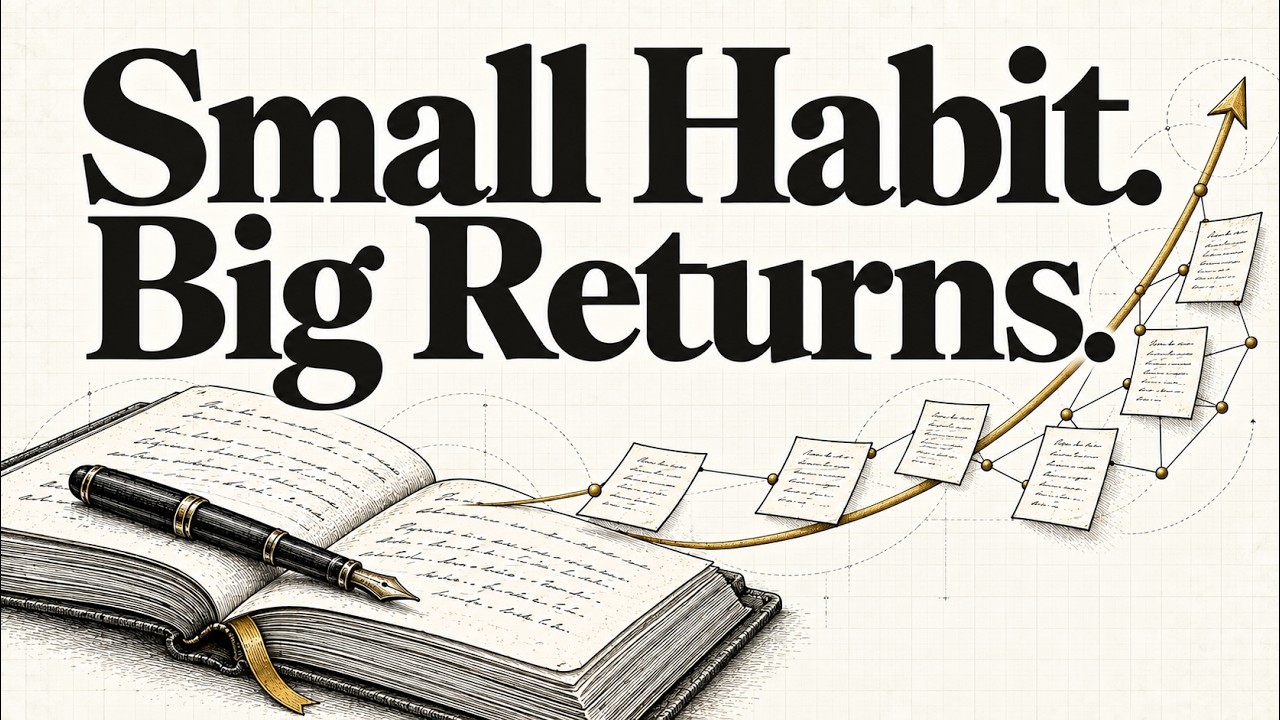
Why a few minutes with your notes each day looks like nothing for months, then starts paying you back in patterns you could not have seen up close.
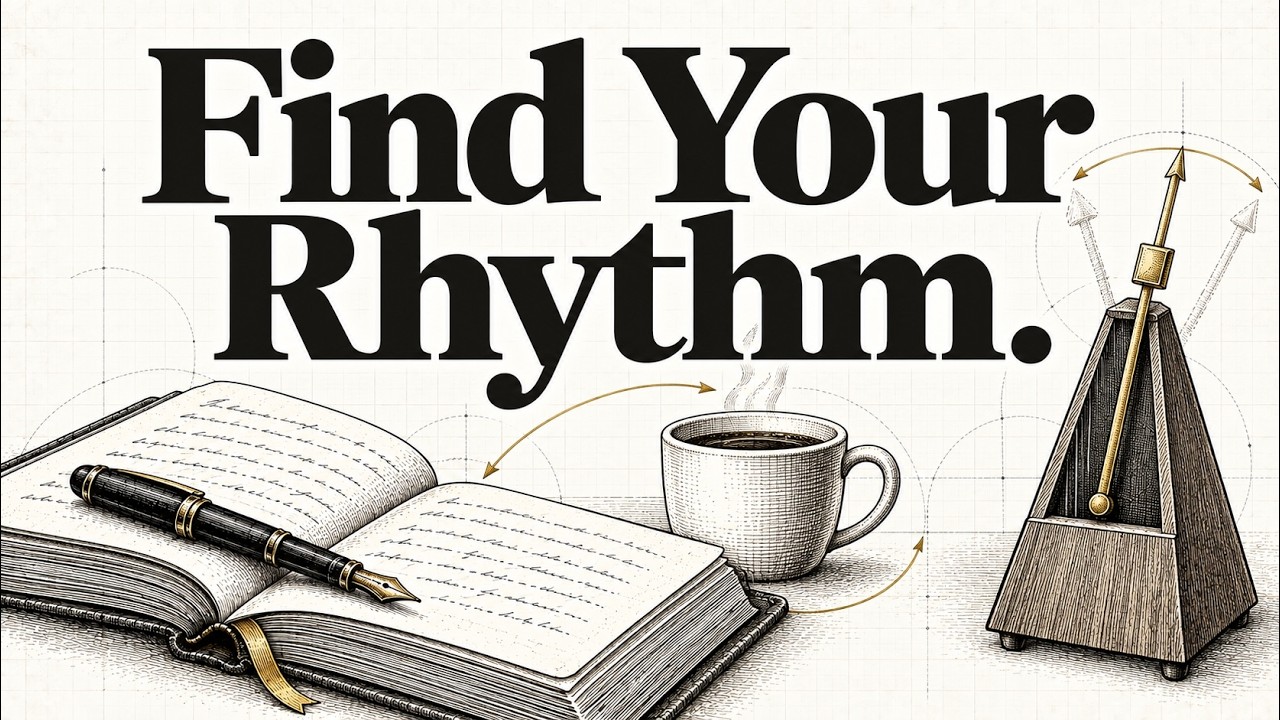
Anchor your review to something you already do each day and keep it small enough to survive a bad morning. That is how it becomes a rhythm instead of a chore.

The weeks you most need your notes are the weeks you stop taking them. Three common ways the practice breaks down, and a gentle way to restart after a gap.

A small automation that stamps where you were onto each Obsidian note, so a trip log becomes something you can retrace years later.

Journaling mattered before AI. But when I began using an AI assistant to help me review, synthesize, and plan from my journal, I realized I had been sitting on far more value than I knew.

Camden Bucey talks with Robert Rose about Valuable Friction, AI, creativity, and why discernment, judgment, and relationships matter in a world obsessed with speed.
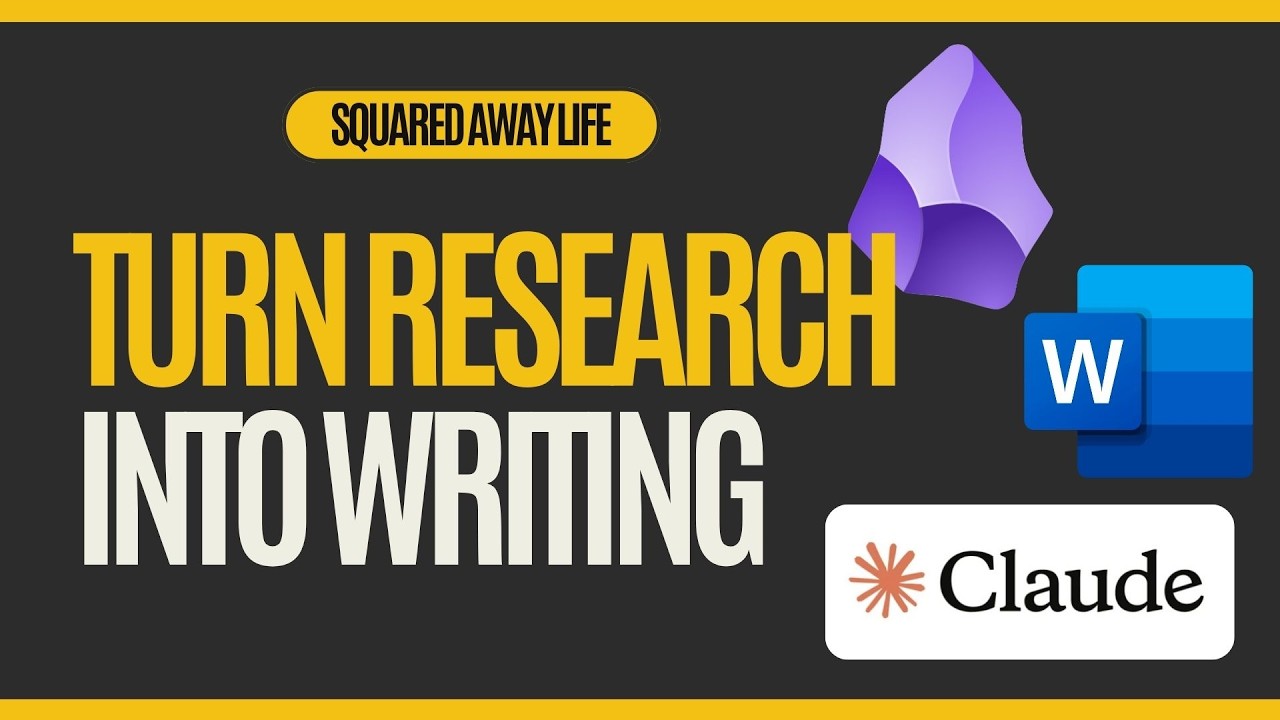
Obsidian holds the notes, Claude helps develop the argument, and Word is where the draft gets finished. The workflow I use to get from research to finished prose.

How I use an AI agent to prompt my weekly reviews and pull me back to the goals I already chose, before a busy week drifts away from them.

My brother Kelly and I walk through Claude Co-Work, Claude Code, and OpenClaw, and what it looks like to hand recurring work to agents that run with little supervision.
The other domains
Planning and review rhythms that survive a bad week.
Money aimed on purpose: giving decided first, decisions written down, and a review that forces the question.
Structures that make the body’s work the default, not the decision.
Managing your own work, and other people’s, without heroics.
Marriage, children, church and friendship, handled on purpose rather than with what the day has left.